
Designing for accessibility and inclusion
Designing for accessibility and inclusion is about far more than meeting minimum compliance. It should form the foundation of all spaces from the outset. At its core, inclusive design is about removing barriers and creating environments where everyone feels welcome, using universal design principles, co-design and ongoing user feedback to ensure spaces reflect people’s lived experience.
This design research session explored architectural projects that prioritise accessibility and inclusion for people with disabilities, highlighting how thoughtful design decisions can set new benchmarks while also benefiting all users. Across the examples discussed, it became clear that visual and sensory cues – from colour contrast and tactile signage to acoustics and clear sightlines – play a critical role in shaping spaces that feel intuitive, safe and equitable.
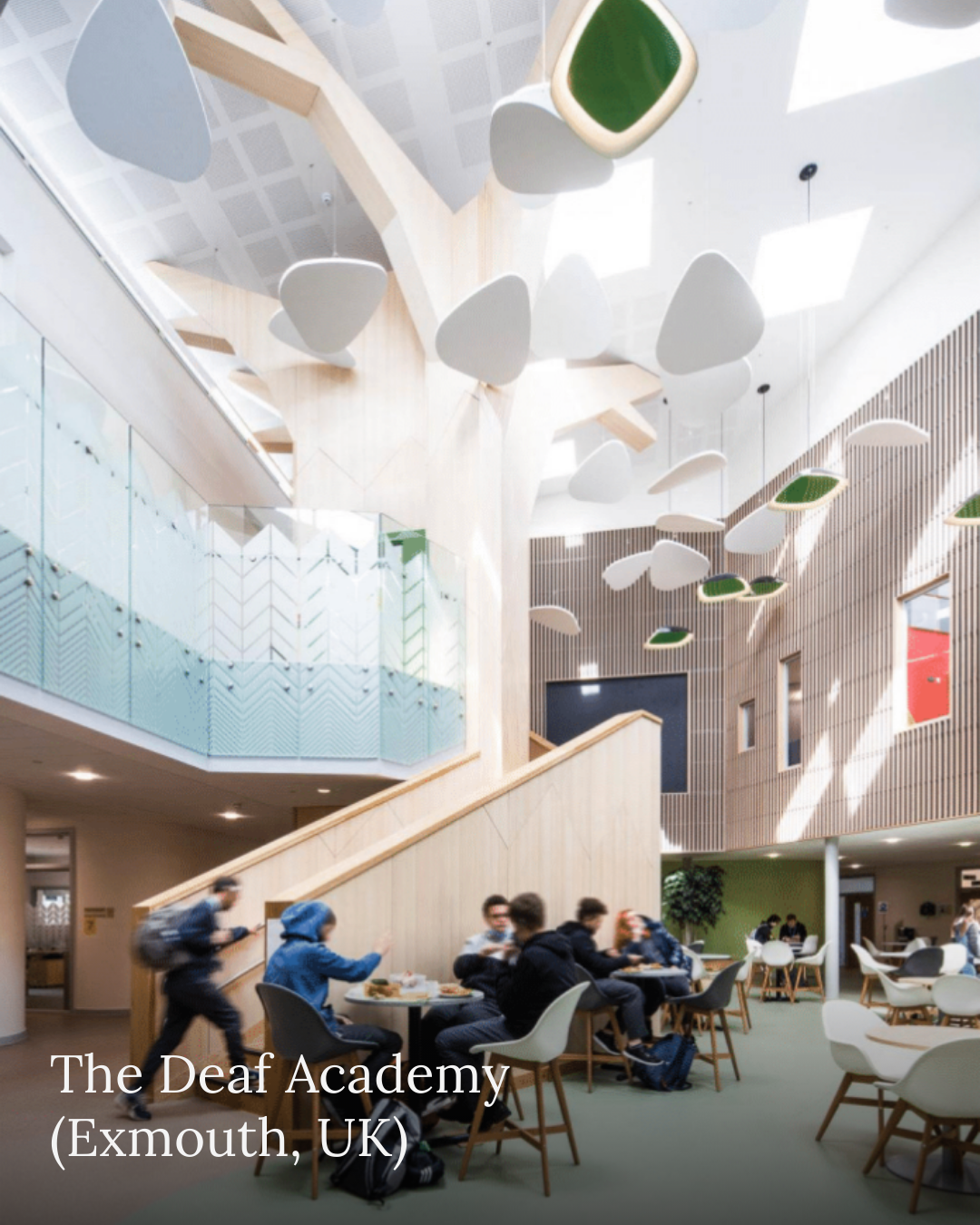
The Deaf Academy in Exmouth, UK was a standout example of design led by disabled users’ needs. The campus was designed with deaf and disabled students at the forefront, using unrestricted sightlines and anti-glare glazing to support communication through sign language. Open spaces and curved furniture optimise visibility and interaction between teachers and students, while acoustic panels reduce echo and reverberation, improving sound clarity despite the scale of the spaces. Importantly, student feedback confirmed that the design made the environment feel genuinely equal and, for many, life-changing – reinforcing the impact of design that truly prioritises lived experience while still accommodating others.
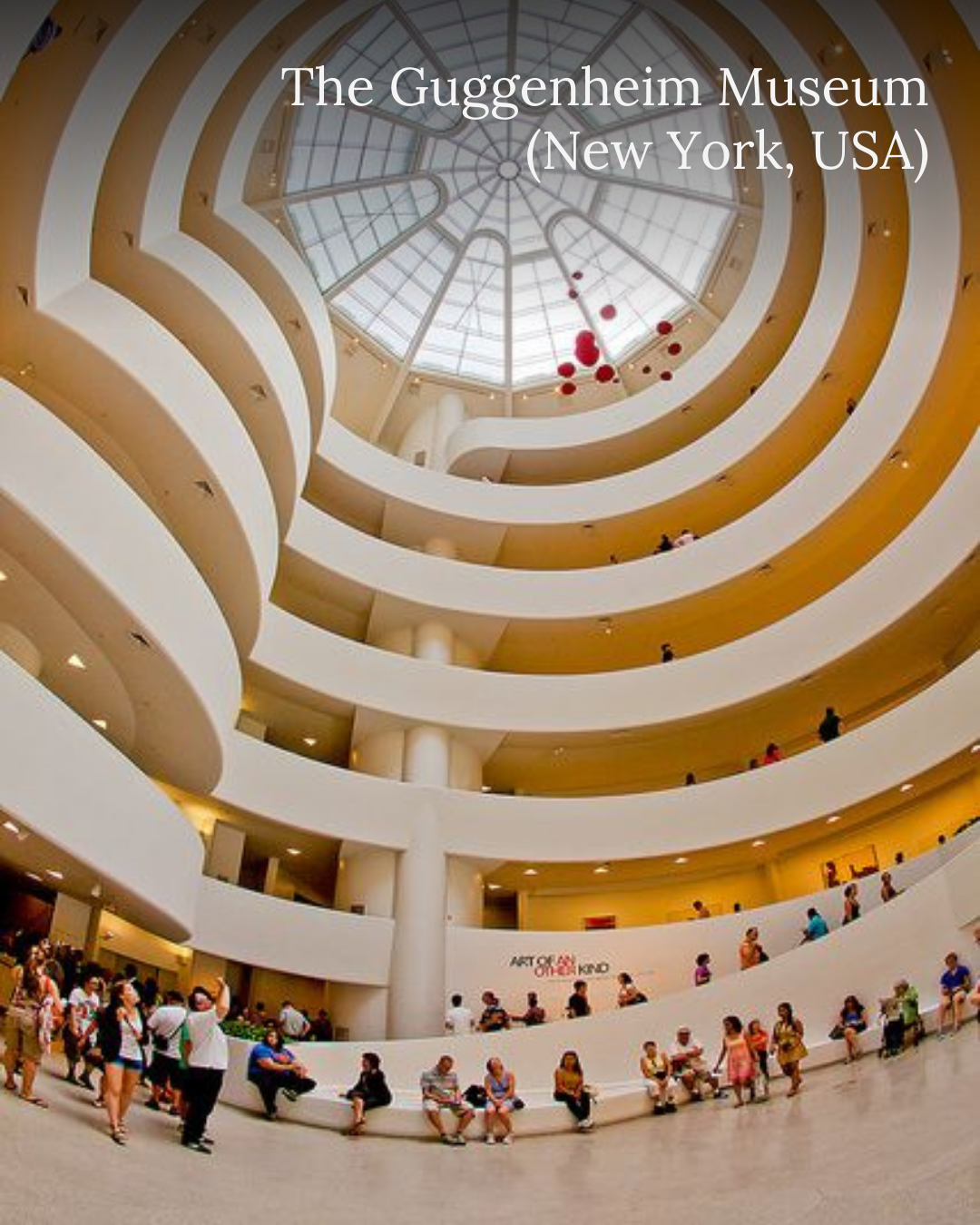
The Guggenheim Museum in New York demonstrates an early and elegant integration of accessibility through its continuous ramps and open circulation. Despite high visitor volumes, the design allows for effortless movement and generous spatial flow. As a historical example, it sets a benchmark for contemporary projects, proving that accessibility can be both functional and architecturally expressive when embedded as a core value rather than treated as an add-on.
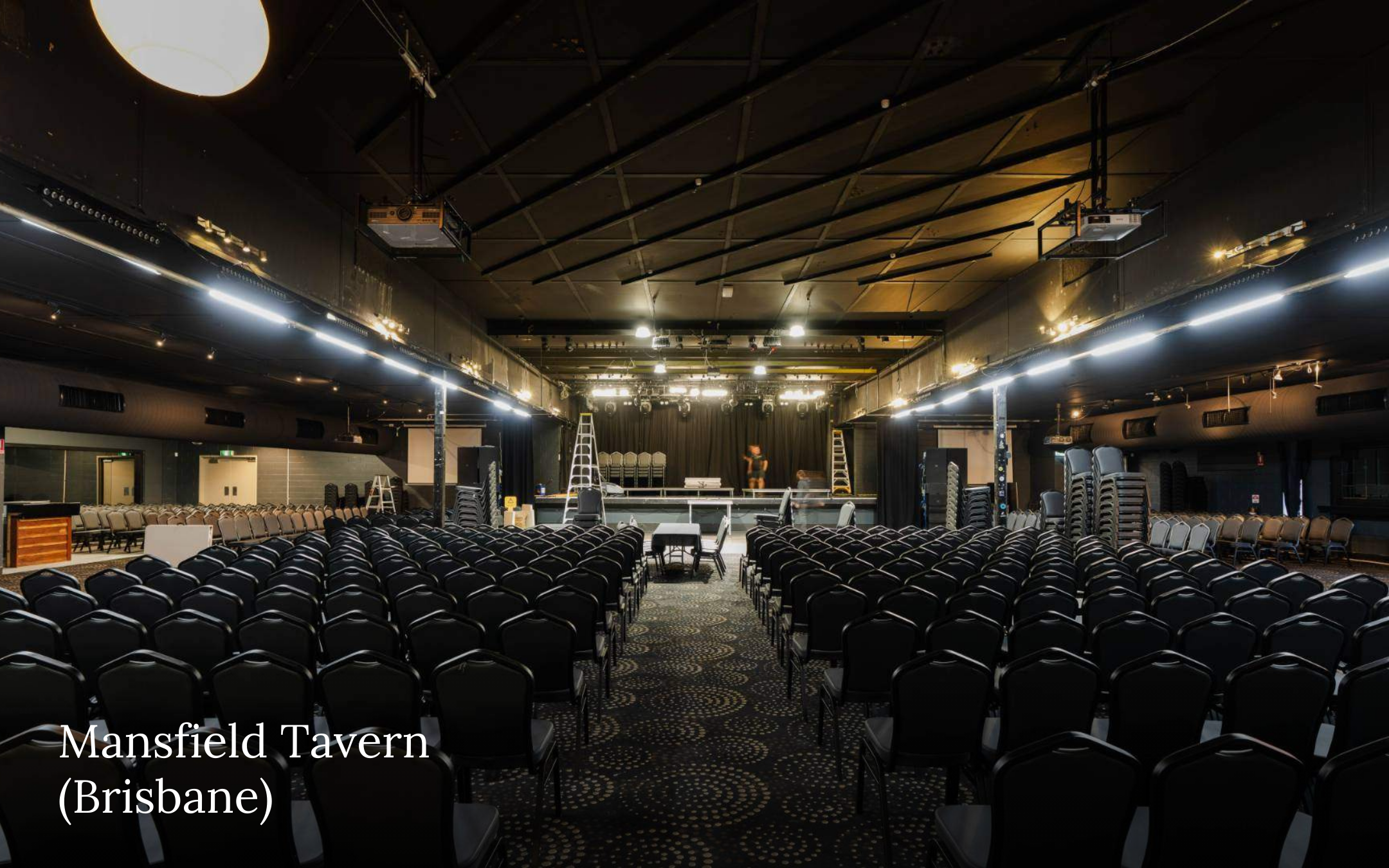
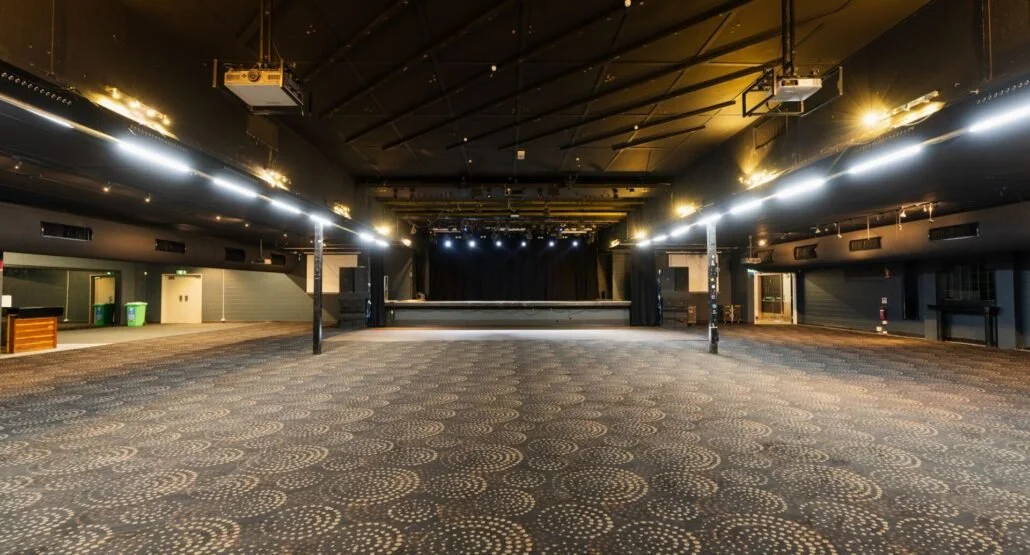
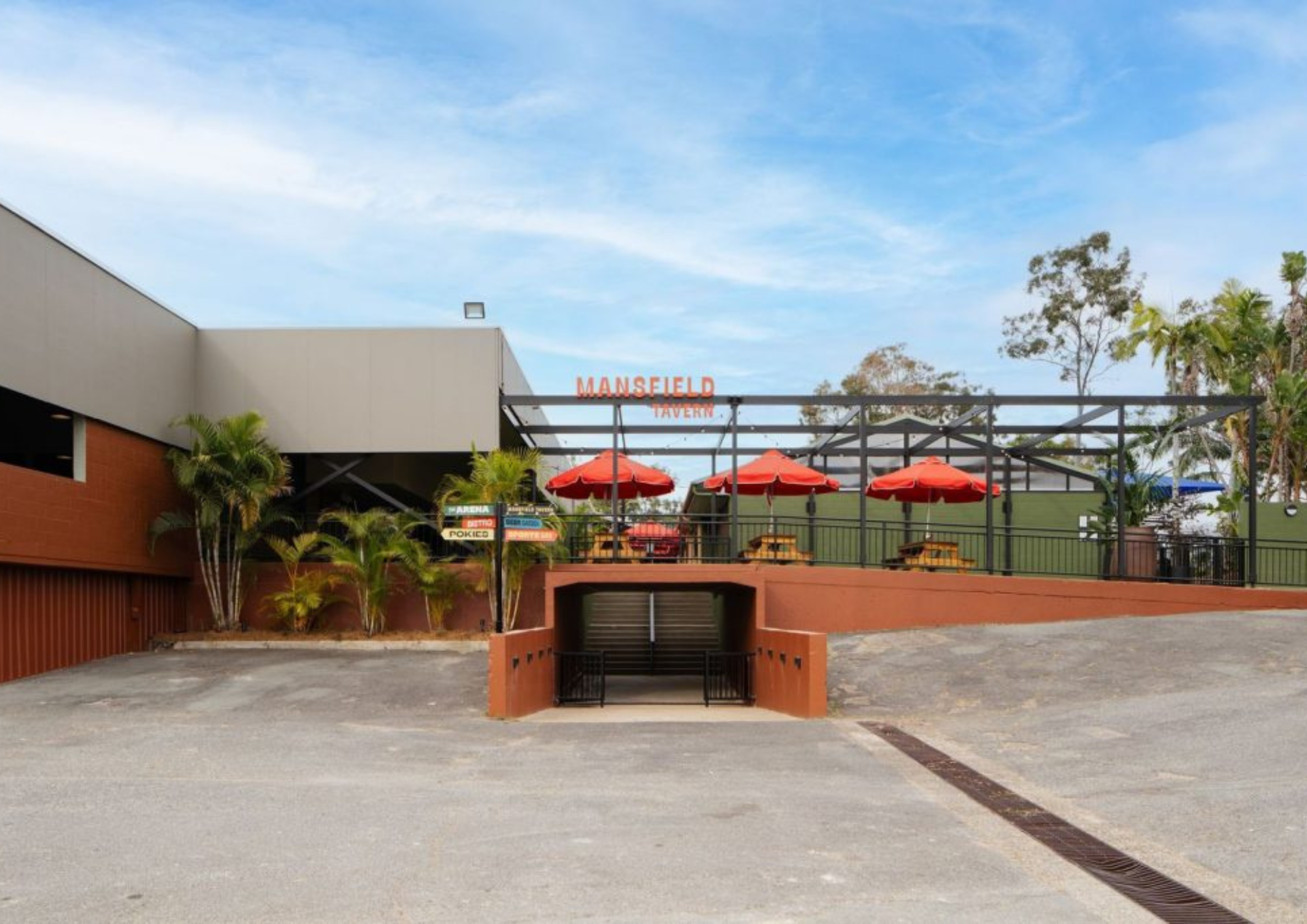
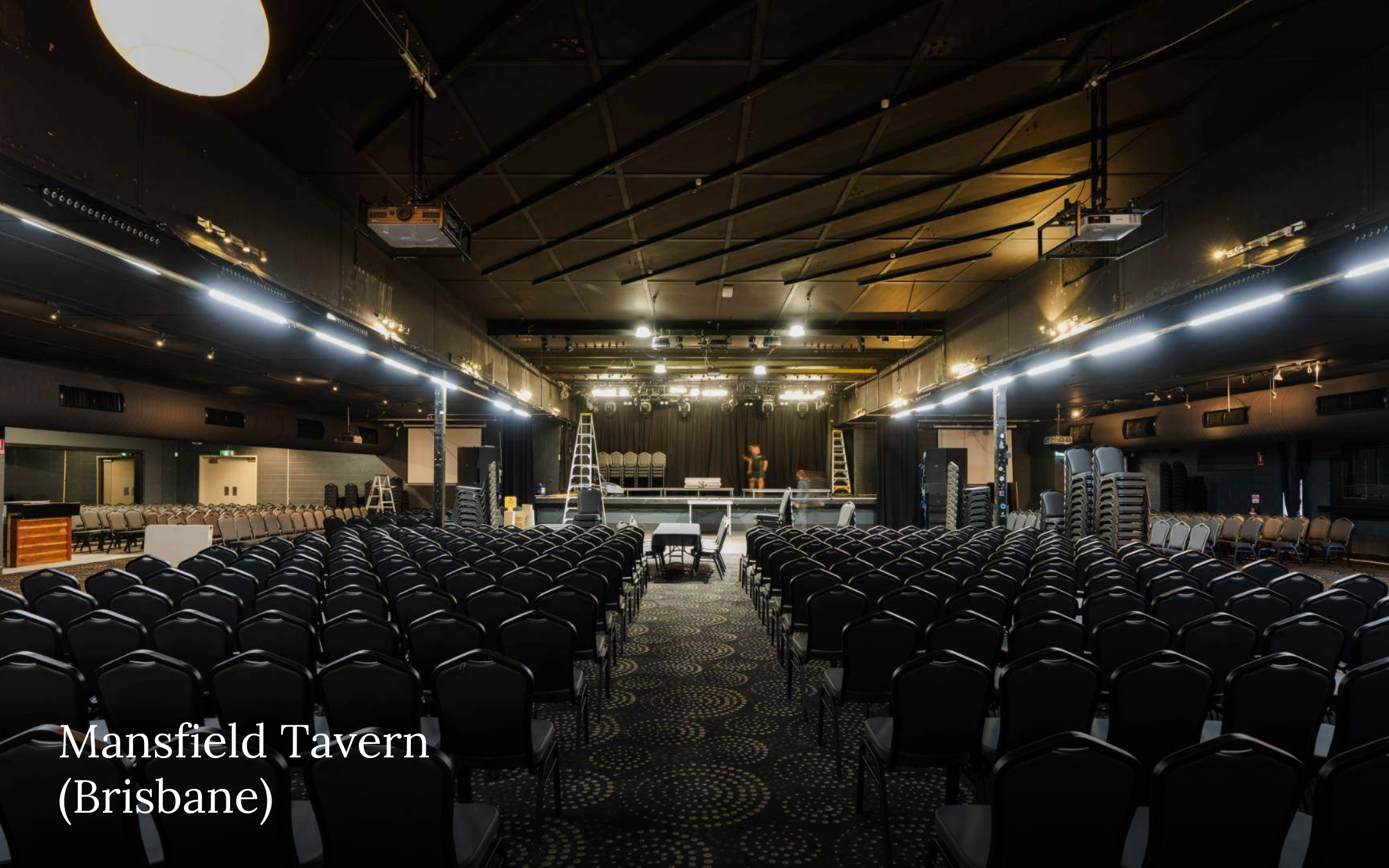
In contrast, the Mansfield Tavern refurbishment was discussed as a clear example of what happens when accessibility is not considered early. Wheelchair users were unable to access the stage, creating awkward event flow and potential legal risk. This was particularly striking given the ample space available to accommodate a compliant ramp during renovation. The example reinforced the need for architects to proactively address accessibility in all public venues, and highlighted the reputational and operational consequences of failing to do so.
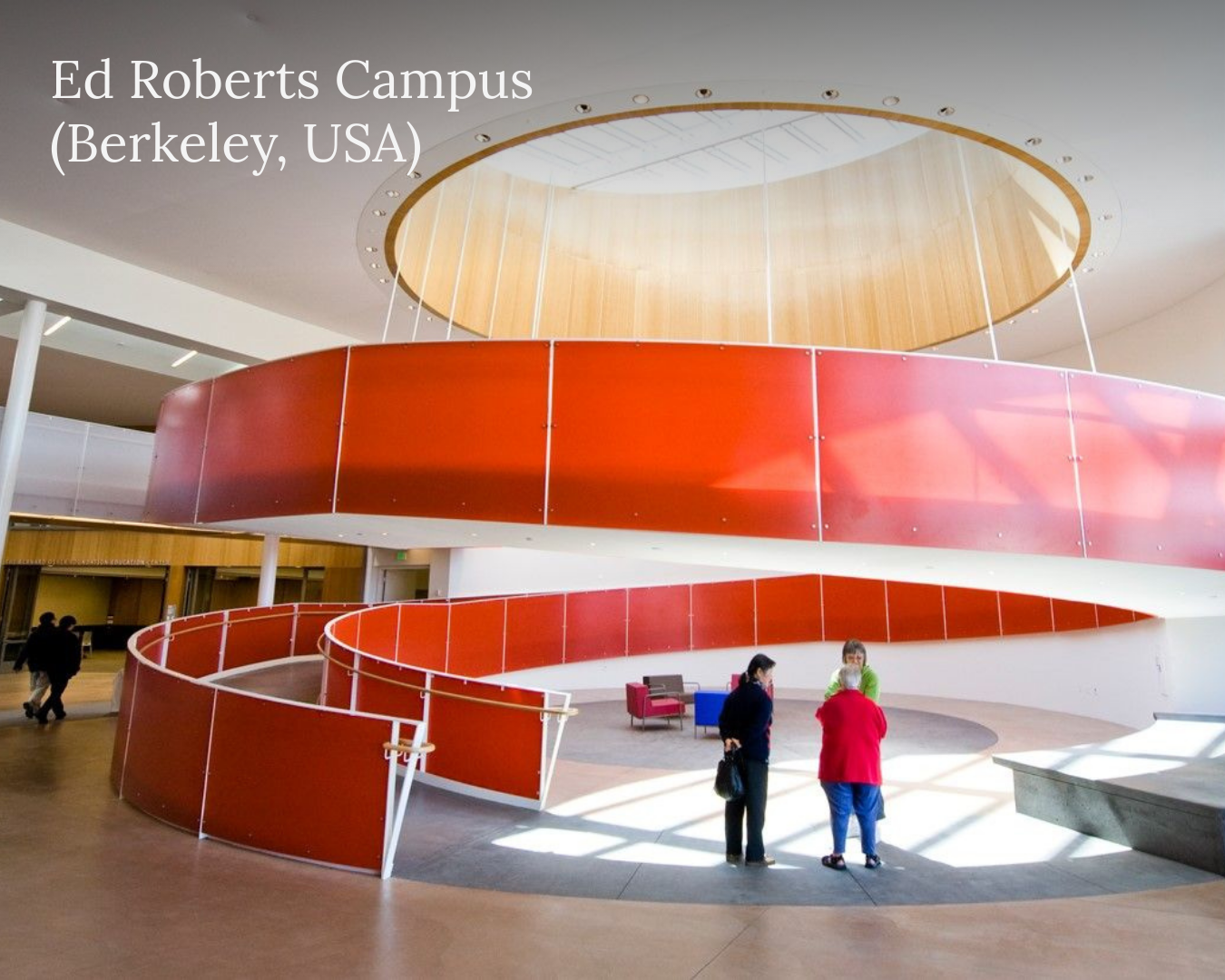
The Ed Roberts Campus in Berkeley, USA offers a strong counterpoint, embedding accessibility deeply into the architecture. A large, winding ramp forms the primary circulation route, connecting multiple floors without the need for stairs. Bold colour contrasts support visually impaired users, while automatic doors, wider corridors and sensory wayfinding assist with mobility and orientation. Although the ramp occupies significant floor area, it enables equitable access across the building and becomes a defining spatial feature. Designed by Leddy Maytum Stacy Architects, the project clearly prioritises accessibility from the outset rather than as an afterthought, while still fostering social and community interaction.
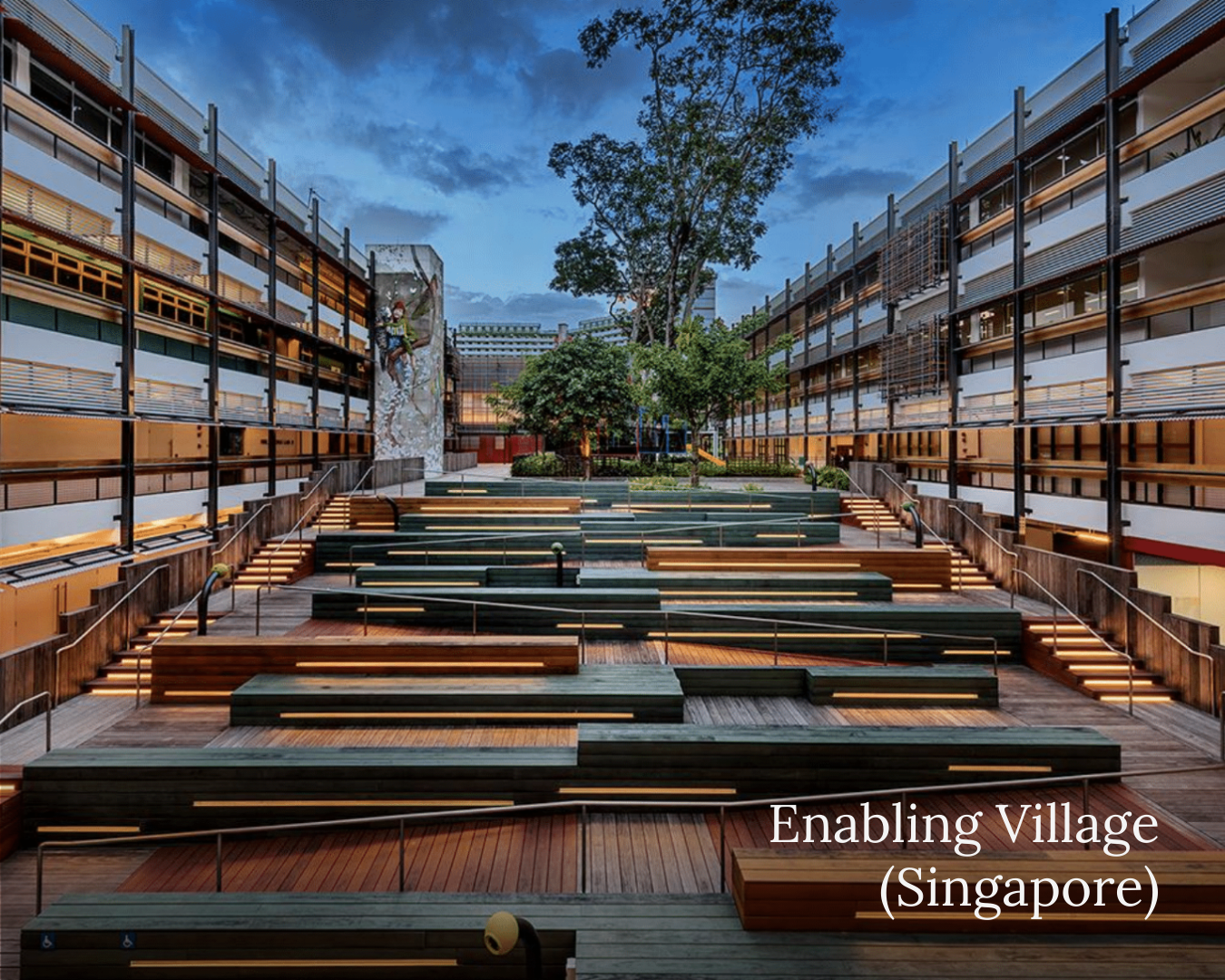
Enabling Village in Singapore further expands the conversation to a community scale. Designed as a hub for people with disabilities and their families, it incorporates tactile signage, hearing loops, ramps, handrails and sensory gardens to support a wide range of needs. Training facilities and social-enterprise spaces promote participation and independence, while open public areas encourage interaction between disabled and non-disabled users. The low-rise layout, courtyards and water features support comfort and ease of movement, and the inclusion of artworks by people with disabilities reinforces cultural representation and community ownership.
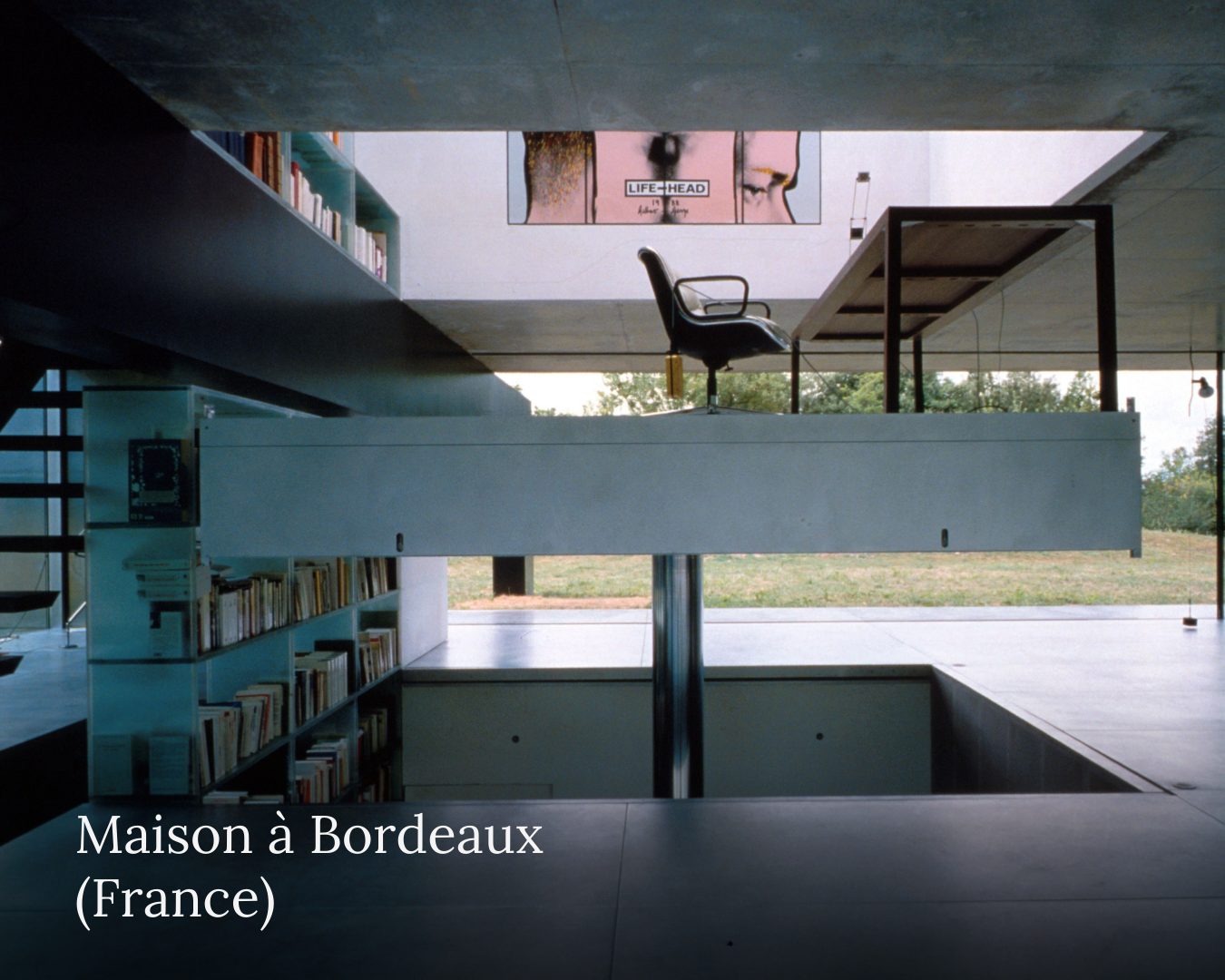
At a domestic scale, Maison à Bordeaux by OMA illustrates how personal circumstances can drive highly innovative and integrated design solutions. Designed for a wheelchair user following an accident, the home features a movable platform lift that connects three levels and creates flexible living spaces. The project demonstrates how accessibility can redefine domestic architecture, using technology and spatial thinking to support independence and freedom rather than limitation.
The session also highlighted that inclusive design extends beyond disability. Referencing the Champions of Change coalition’s Equity by Design guide, the discussion broadened inclusion to encompass gender, race, socio-economic background and neurodiversity. The guide outlines seven principles – including co-design, gender awareness, health and safety, accessibility and empowerment – which provide a useful framework for embedding equity into design processes.
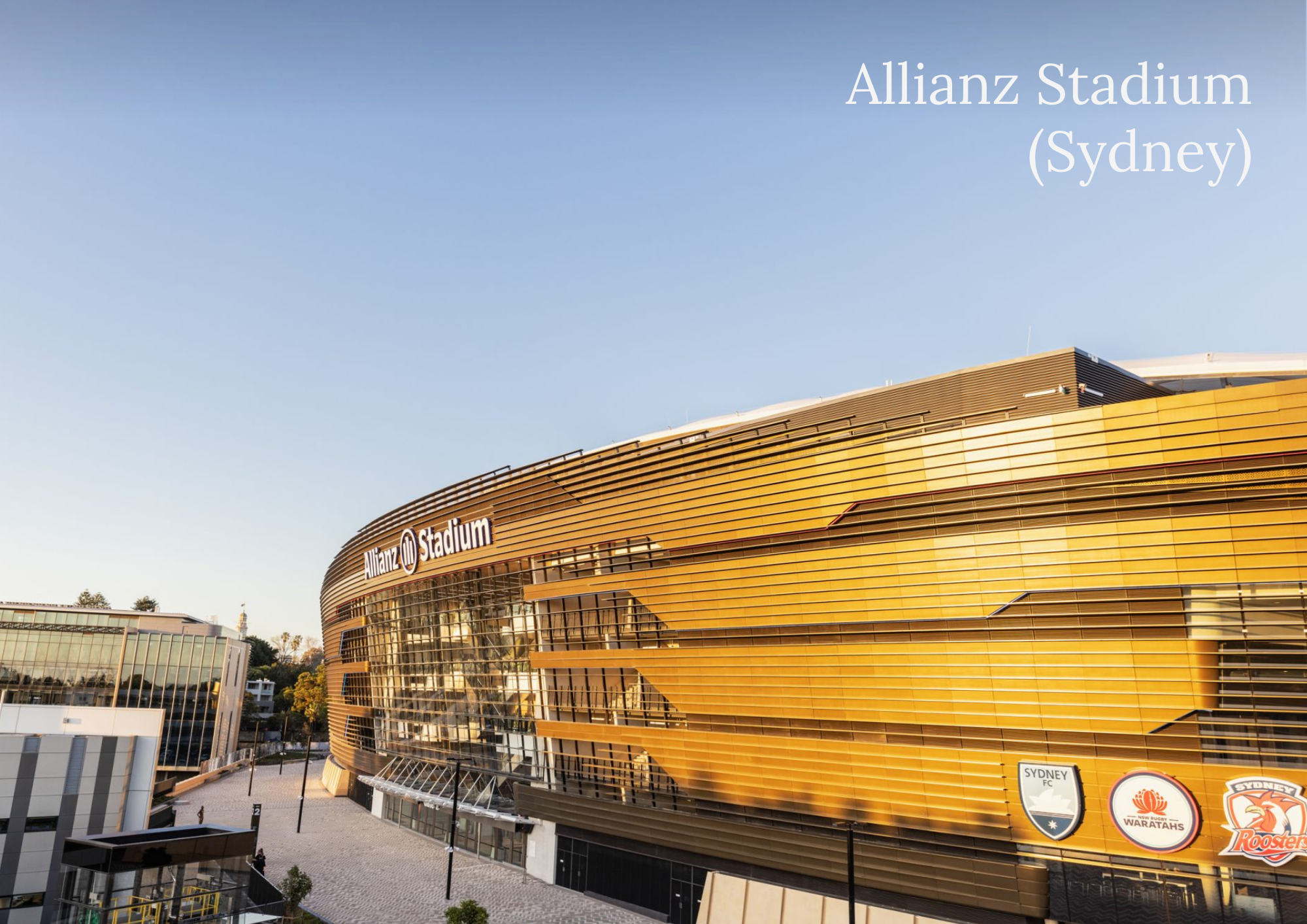
Case studies such as the Allianz Stadium redevelopment demonstrate how these principles can be applied at scale. The project moved beyond compliance to deliver equal facilities for athletes of all genders, more inclusive spectator amenities, well-located accessible seating with clear sightlines, and spaces that support diverse needs, including sensory rooms and Changing Places facilities. The redevelopment sets a strong benchmark for inclusive, people-centred stadium design.
Overall, these projects show how thoughtful decisions, made early and informed by real user insight, can shape environments that support independence, dignity and connection. When accessibility and inclusion are embedded from the outset – through co-design, sensory awareness and equity-led thinking – spaces become more intuitive, equitable and comfortable for everyone, and accessibility becomes central to what good design looks like.
When we design with inclusion and accessibility in mind, we create spaces that are built to welcome and support all of its users. If you’d like to discuss accessible and inclusive design, reach out today to start the conversation.