
Designing with neuroarchitectural principles
Neuroarchitecture is the intersection of neuroscience – how we think, feel, and perceive – and architecture – how spaces are designed. Careful consideration of people, emotions, and behaviours can influence design-thinking to shape all-encompassing spaces and enhance the human experience.
Emerging research shows that environmental complexity activates the hippocampus – the brain region tied to memory and mood – while facade variation, natural patterns, and texture help regulate stress. Physiological monitoring reveals that design choices influence humans at a biological level.
The principles of neuroarchitecture – when properly implemented – can work to reduce stress, improve productivity, and enhance the overall user experience. It's about creating thoughtful design choices across lighting, acoustics, materials, natural elements, and navigation systems to enhance the experience of a space. In our most recent design research session, we learnt about places that implement neuroarchitectural principles into their design, to create places that are biologically responsive.
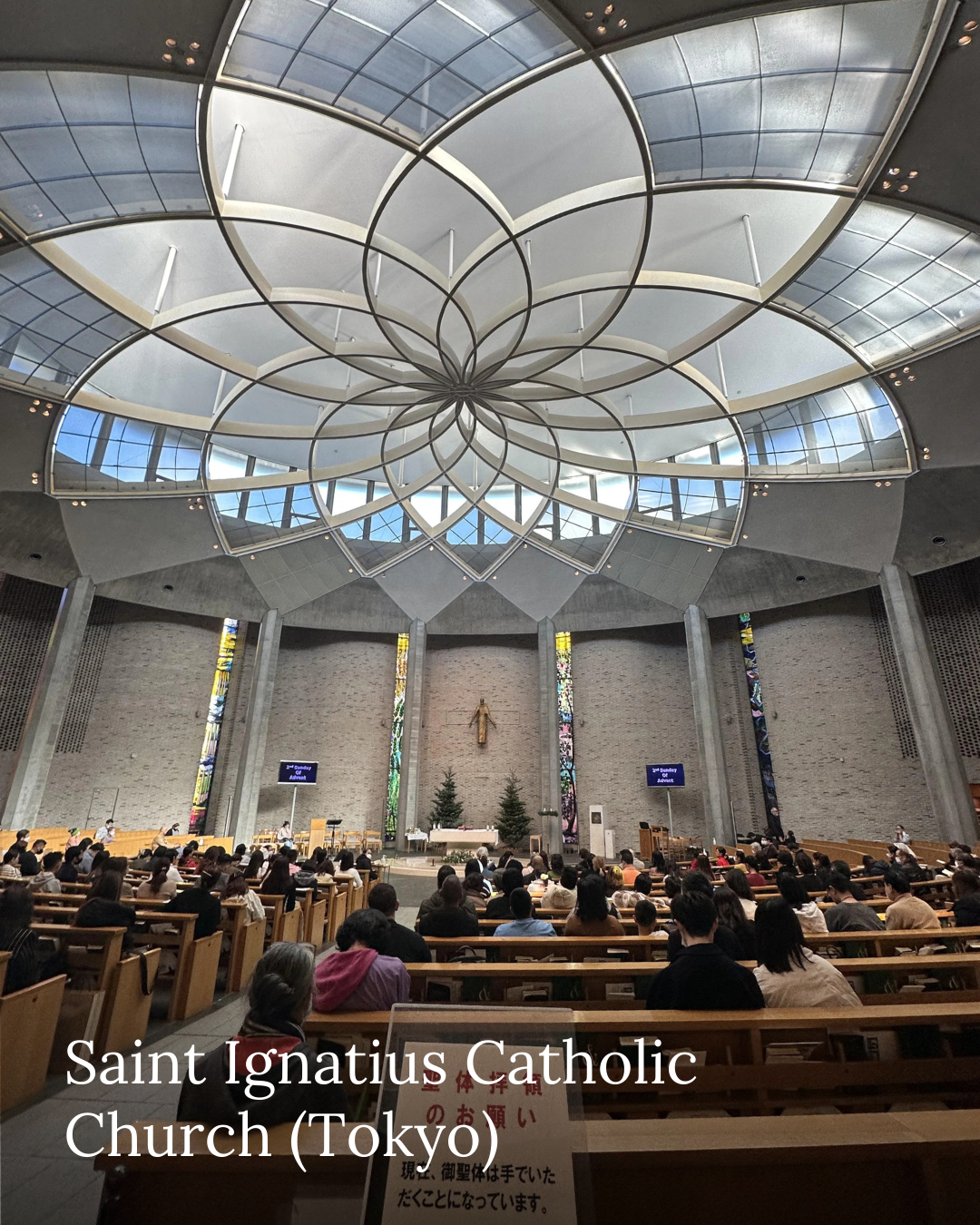
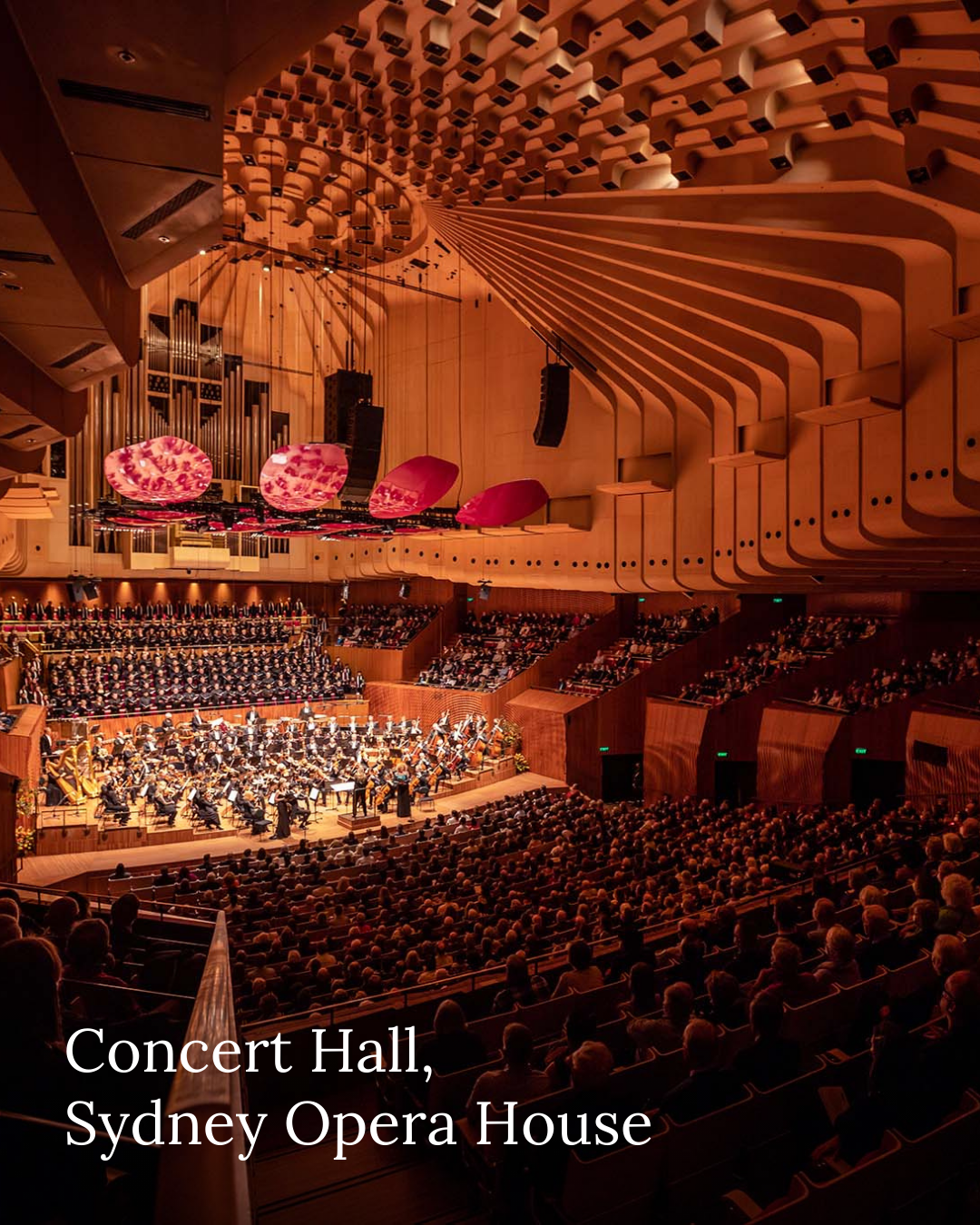
Lighting design does more than illuminate a space – it sets the rhythm for how our bodies function. Natural light and dynamic lighting systems help regulate our circadian rhythm, improving sleep, energy, and emotional balance across healthcare, workplace, and residential environments.
Sound also plays a vital role: acoustics profoundly shape how we feel. Background noise can heighten stress, while considered sound design – through materials, layout, and form – supports focus and calm. It can also be shaped to heighten drama and emotional resonance, creating moments that feel truly immersive and memorable.
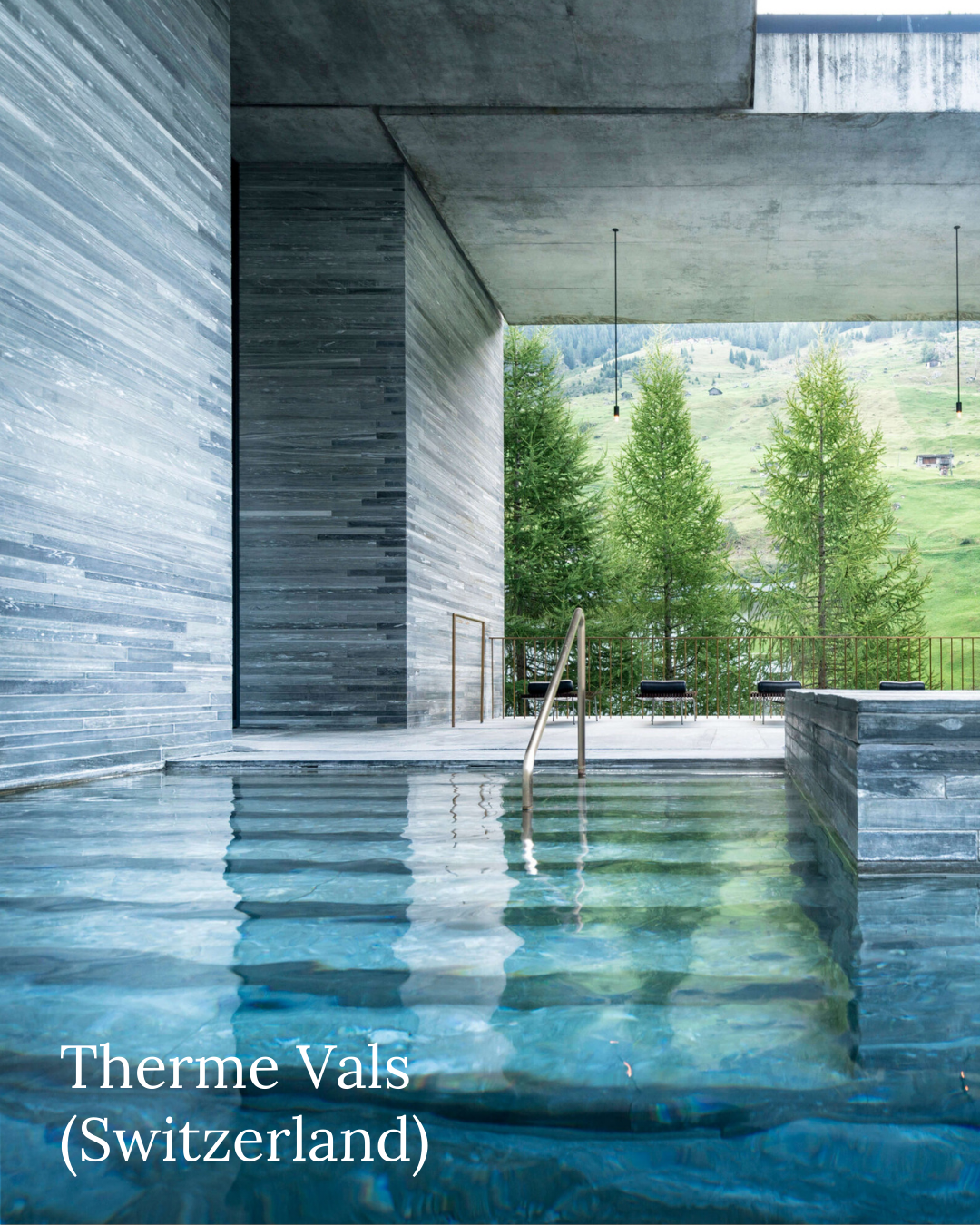
Material choices and tone also influence mood. Every material speaks to the senses. Timber creates a sense of warmth and comfort, while stone conveys stillness and serenity. Through texture, tone, and touch, materiality becomes an emotional language of design.
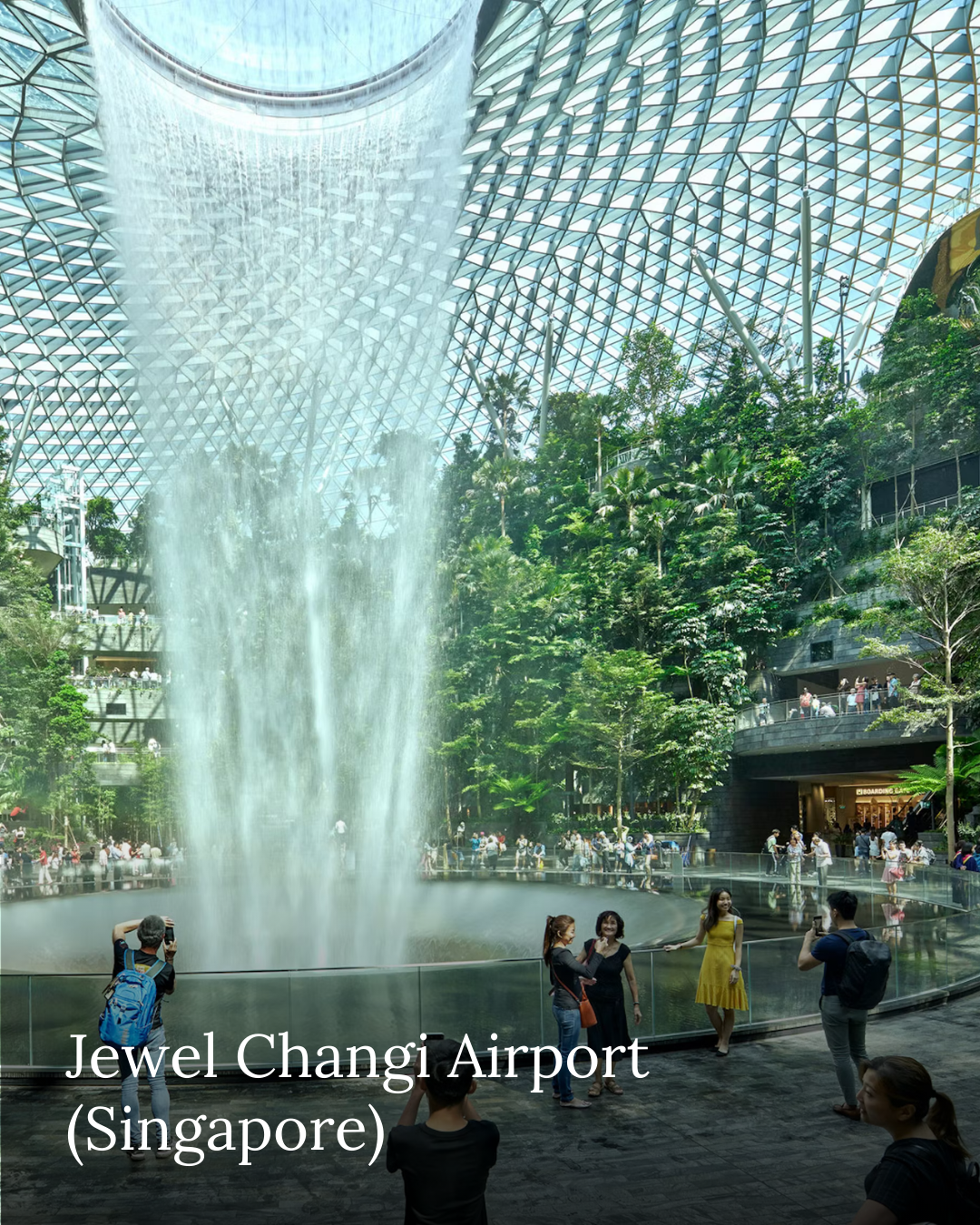
Biophilic design draws on humans’ innate connection to nature. Integrating greenery, natural light, water, or organic forms can lower stress and elevate mood. Even the most high-stress environments can feel restorative when nature is brought inside.
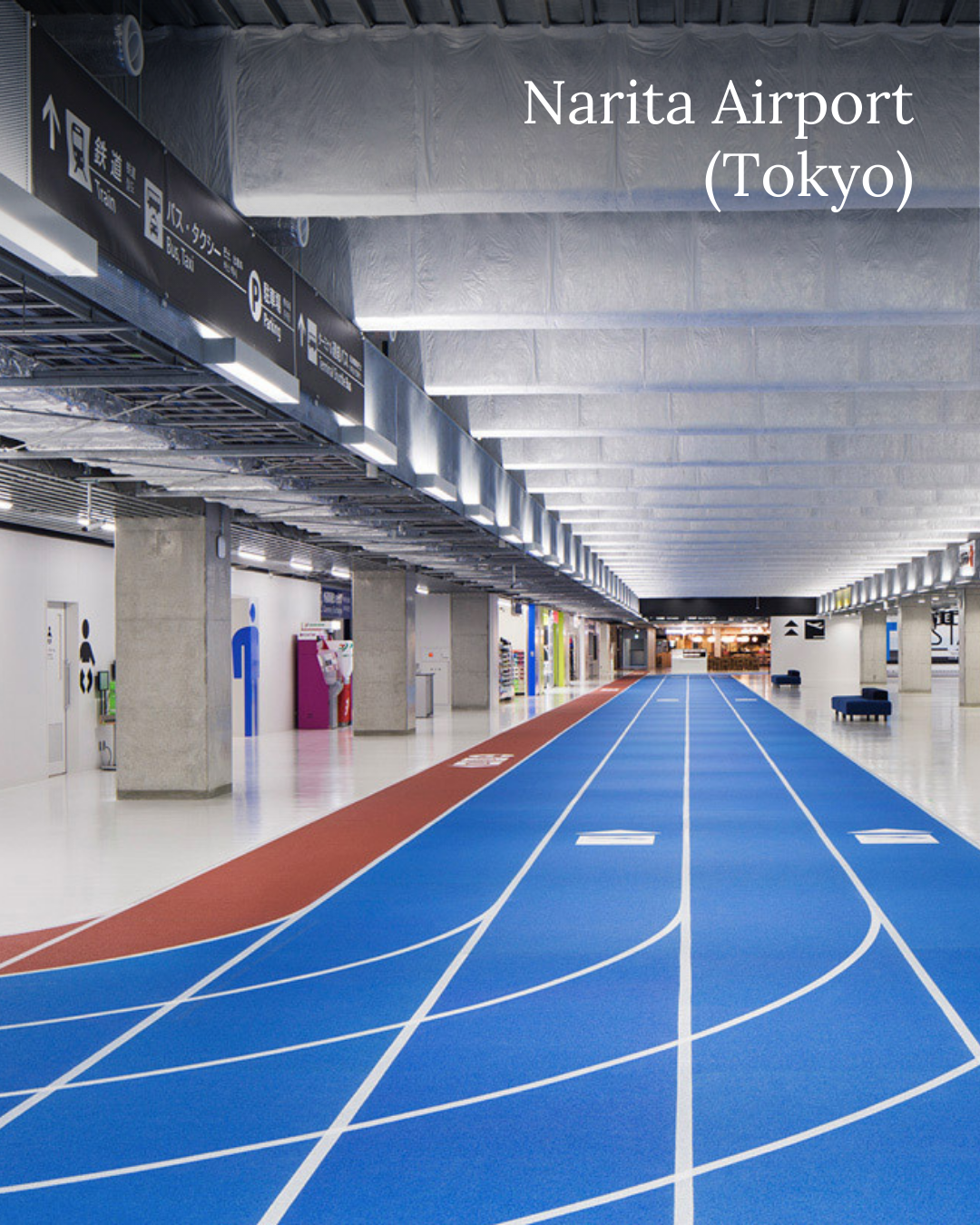
When spaces are intuitive to navigate, they ease the mind. Clear wayfinding – through visual cues, light, and layout – helps users feel oriented, calm, and in control. Directional design shows how effortless navigation can transform a stressful journey into a calm, confident experience.
At its best, neuroarchitecture connects design decisions to human psychology. By tuning into how we sense and respond to our surroundings, we create places that feel better to be in – spaces that restore, support, and inspire those who move through them.
When we design with neuroarchitectural principles, we create spaces that are built to enhance the human experience. It’s about more than aesthetics – it’s about designing places that are wholistic, and considerate of their users.